Buying Your First Electric Guitar 25/08/2026 - 160 views
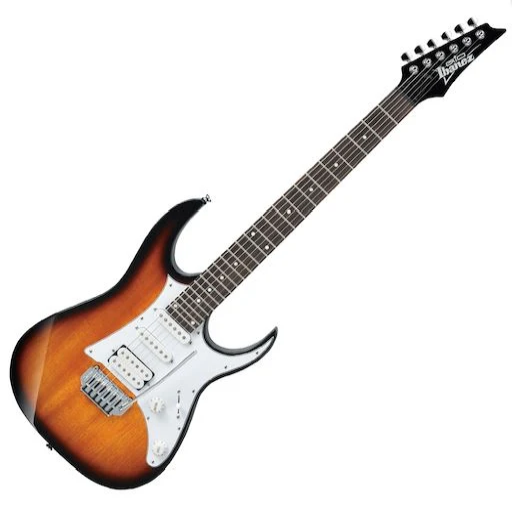
Buying your first electric guitar is an exciting step, but with so many options out there it can be hard to know where to start. Here are some things to consider when choosing an electric guitar for a beginner.
Determine your budget: Before you start looking, decide how much you are willing to spend. A good beginner electric guitar in New Zealand typically costs between $300 and $800, and it's usually smarter to spend a bit more on a guitar that stays in tune and feels good to play than to save money on something that puts you off practicing. Don't forget to budget for an amp, cable, tuner, picks, and a gig bag or case, as these often aren't included.
Decide on the body style: Electric guitars generally come in three body types - solid body, semi-hollow, and hollow body. Solid body guitars (like a Stratocaster or Les Paul style) are the most common choice for beginners. They're versatile, durable, and suit most styles of music from rock to pop to blues.
Consider the neck and scale length: Guitars come with different neck shapes and scale lengths, which affect how far apart the frets are and how the guitar feels under your fingers. If possible, try a few different guitars in person before buying, especially if you have smaller hands or are buying for a child. A neck that feels comfortable will make practicing far more enjoyable.
Think about pickups: Pickups are what capture the string vibration and turn it into an electric signal. Single-coil pickups (found on Stratocaster-style guitars) tend to have a brighter, twangier sound, while humbucker pickups (found on Les Paul-style guitars) have a warmer, thicker sound with less background hum. Neither is "better" - it depends on the style of music you want to play. If you're not sure yet, a guitar with both types of pickups gives you the most flexibility.
Don't skip a proper setup: A guitar that hasn't been set up properly can be much harder to play than it needs to be, with high string action or poor intonation making even simple chords feel like a struggle. Many music stores will set up a guitar for you before you take it home - it's worth asking, as it can make a huge difference for a beginner.
Choose a reputable brand: Stick to well-known brands with a track record for quality beginner instruments, such as Squier, Yamaha, Epiphone, or Ibanez. These brands offer instruments that are reliable and well-built without the price tag of their higher-end counterparts.
Buy from a proper music store where possible: Buying in person means you can play the guitar before committing, get advice from staff, and often have it set up on the spot. If you're buying online, make sure there's a fair returns policy in case the guitar isn't right for you.
Remember, you'll need an amp too: An electric guitar without an amp is very quiet - you'll need at least a small practice amp to actually hear what you're playing. Many stores sell "pack" deals that bundle a beginner guitar with a small amp, cable, and other accessories, which can be a cost-effective way to get started.
Ask for a second opinion: If you're not confident choosing gear yourself, bring along someone who plays, or ask your music teacher for advice before you buy. A second opinion can save you from ending up with a guitar that doesn't suit your goals.
Buying your first electric guitar doesn't need to be overwhelming. Focus on comfort, playability, and a proper setup over flashy features, and you'll set yourself up for years of enjoyable playing.
More Articles »